


Cybersecurity is used to protect data, devices, and networks from unauthorized access and online threats. Personal data is stored and shared across many digital platforms such as social media, banking apps, email services, and websites. Because of this wide use, protection of personal information has become important in daily digital activity.
Online threats include data theft, phishing, malware, hacking attempts, and identity misuse. Cybersecurity systems are designed to reduce these risks and protect user information during online use.
This article explains how cybersecurity works, how it protects personal data, types of online threats, security methods, and how users can improve digital safety.
What is Cybersecurity
Cybersecurity is a process of protecting digital systems, networks, and data from unauthorized access.
It focuses on:
- Data protection
- System security
- Network safety
- User privacy
- Threat prevention
Cybersecurity is used in personal devices, companies, banks, and government systems.
Why Personal Data Needs Protection
Personal data includes:
- Name
- Email address
- Phone number
- Passwords
- Bank details
- Online activity
This data is valuable because it can be misused if accessed by unauthorized users.
Risks of Data Exposure
- Identity theft
- Financial loss
- Account hacking
- Privacy violation
Online Threats to Personal Data
Phishing Attacks
Phishing involves fake messages or websites designed to steal information.
Malware
Malware is software designed to damage systems or steal data.
Hacking
Hacking refers to unauthorized access to systems or accounts.
Data Breaches
Data breaches happen when large amounts of information are exposed.
Identity Theft
Identity theft occurs when someone uses personal information for fraud.
How Cybersecurity Protects Data
Encryption
Encryption converts data into unreadable format during transfer.
Firewalls
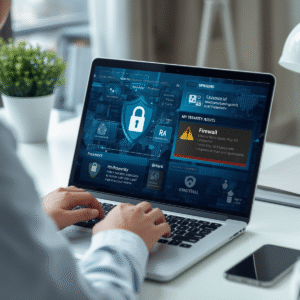
Firewalls monitor and control network traffic.
Antivirus Software
Antivirus tools detect and remove harmful software.
Authentication Systems
Authentication confirms user identity before access.
Secure Networks
Secure networks protect data during online communication.
Cybersecurity in Daily Life
Cybersecurity is used in many daily activities.
Online Banking
Banks use security systems to protect transactions.
Social Media
Accounts are protected with passwords and verification methods.
Email Services
Email platforms use filters to block harmful messages.
Online Shopping
Payment systems use encryption for transactions.
Role of Passwords in Cybersecurity
Passwords are the first level of protection.
Strong Password Use
Strong passwords include:
- Numbers
- Letters
- Special characters
Password Management
Users should:
- Avoid reuse
- Change regularly
- Keep private
Multi-Factor Authentication
Multi-factor authentication adds extra security steps.
It includes:
- Password entry
- OTP verification
- Device confirmation
This reduces unauthorized access.
Cybersecurity in Businesses
Companies use cybersecurity to protect:
- Customer data
- Financial records
- Internal systems
Network Security
Protects company systems from external access.
Data Backup
Backup systems store copies of data for recovery.
Cybersecurity Tools and Technologies
Security Software
Used for:
- Virus detection
- Threat blocking
Monitoring Systems
Used for:
- Activity tracking
- Suspicious behavior detection
Cloud Security
Protects data stored on online servers.
Common Cybersecurity Mistakes
Weak Password Use
Simple passwords are easy to guess.
Clicking Unknown Links
Unknown links can lead to phishing sites.
Unsecured Wi-Fi Use
Public networks can expose data.
Ignoring Updates
Outdated systems can have security issues.
How Users Can Improve Cybersecurity
Use Strong Passwords
Create unique passwords for each account.
Enable Security Features
Use:
- Two-factor authentication
- Device verification
Update Software
Keep systems and apps updated.
Avoid Suspicious Links
Do not open unknown messages or files.
Use Secure Networks
Avoid public Wi-Fi for sensitive tasks.
Cybersecurity in Mobile Devices
Smartphones store:
- Contacts
- Messages
- Apps
- Payment data
Mobile Protection Methods
- Screen lock
- App permissions
- Secure apps
- Device tracking
Cybersecurity in Internet Browsing
Safe Browsing
Users should check website security before entering data.
HTTPS Websites
Secure websites use encrypted connections.
Browser Security Tools
Browsers include:
- Warning systems
- Safe browsing filters
Future of Cybersecurity
Cybersecurity is evolving due to:
- Increased online activity
- Advanced hacking methods
- More data storage systems
Future systems may include:
- AI-based threat detection
- Automated response systems
- Advanced encryption methods
Importance of Cybersecurity Awareness
Users need awareness about:
- Online risks
- Safe internet use
- Data protection methods
Awareness helps reduce cyber incidents.
Conclusion
Cybersecurity protects personal data from online threats through systems like encryption, firewalls, authentication, and monitoring tools. It is used in daily life, business systems, and online platforms.
Online threats continue to increase, making cybersecurity important for every user. Safe online practices, strong passwords, and secure networks help protect personal information.
Understanding cybersecurity helps users stay safe in digital environments and reduces risks of data loss and identity misuse.
FAQ
What is cybersecurity used for?
It is used to protect data and systems from online threats.
What are common online threats?
Phishing, malware, hacking, and data breaches.
How does encryption help?
It protects data by converting it into secure format.
Why are strong passwords important?
They prevent unauthorized access to accounts.
Can users improve cybersecurity?
Yes, by using safe practices and security tools.