



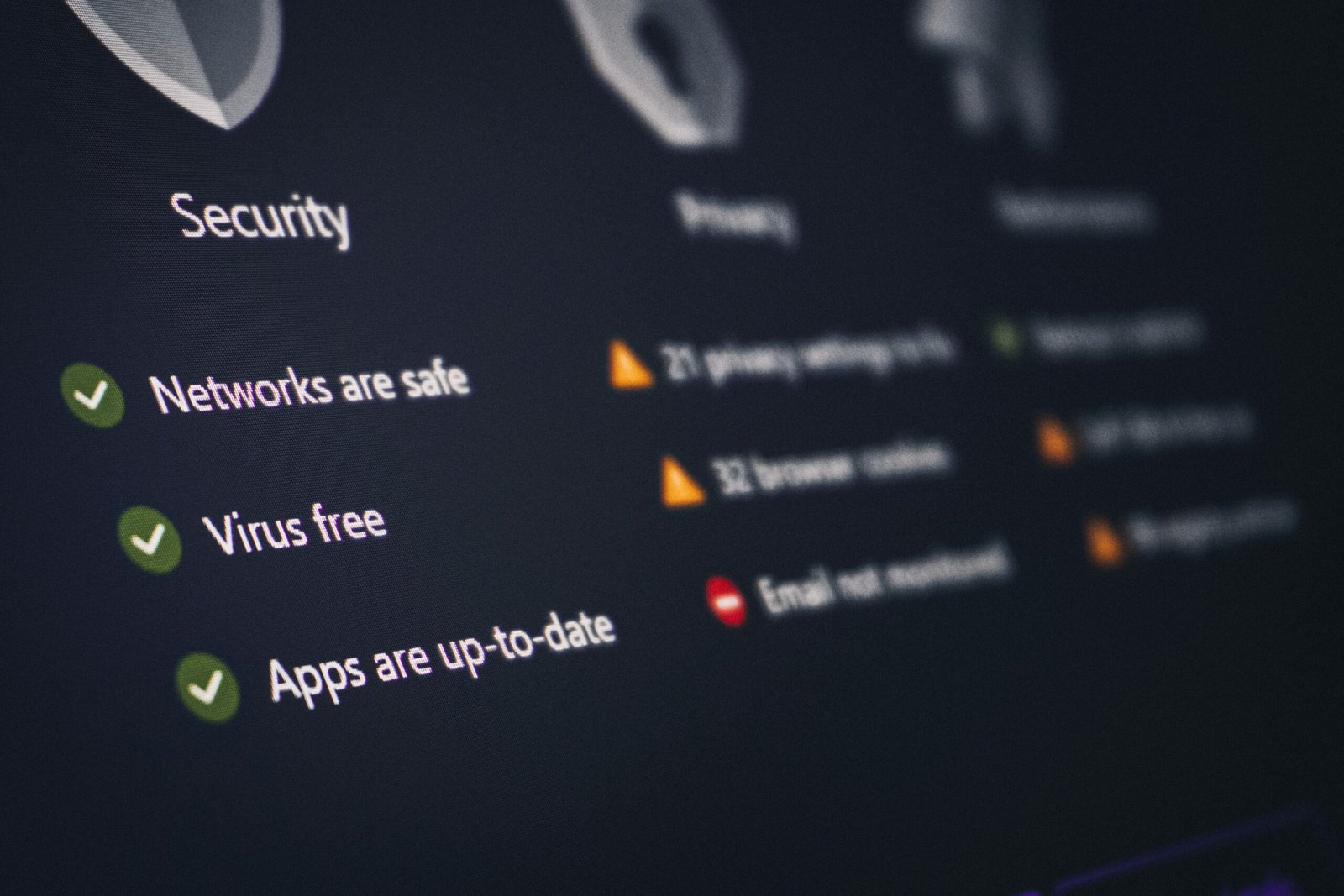
Cybersecurity methods are used to protect digital systems, networks, and data from attacks and unauthorized access. Organizations and individual users face risks such as data breaches, hacking attempts, malware, and phishing. These risks make cybersecurity an important part of digital life.
Data breaches occur when sensitive information is accessed without permission. Cybersecurity methods are designed to reduce these risks and maintain system safety. These methods are used in businesses, government systems, and personal devices.
This article explains top cybersecurity methods, how they work, and how they help prevent attacks and data breaches.
Understanding Cybersecurity Methods
Cybersecurity methods are techniques and systems used to protect digital environments.
They focus on:
- Data protection
- Network security
- Threat prevention
- Access control
- System monitoring
These methods work together to reduce cyber risks.
Importance of Preventing Data Breaches
Data breaches can lead to:
- Identity theft
- Financial loss
- Business disruption
- Loss of privacy
Preventing breaches helps protect sensitive information and maintain trust in digital systems.
Strong Password Methods
Password Creation
Passwords should include:
- Letters
- Numbers
- Symbols
Password Management
Users should:
- Avoid repeated passwords
- Change passwords regularly
- Store passwords securely
Password Protection Role
Passwords are the first barrier against unauthorized access.
Multi-Factor Authentication
Multi-factor authentication adds extra security steps.
How It Works
Users verify identity using:
- Password
- OTP code
- Device confirmation
Security Benefit
Even if passwords are stolen, access remains restricted.
Data Encryption Methods
What is Encryption
Encryption converts readable data into secure format.
Use in Communication
Data is protected during:
- Email transfer
- Online banking
- File sharing
Storage Encryption
Stored data remains protected from unauthorized access.
Firewall Protection Systems
Role of Firewalls
Firewalls control network traffic.
Function
They:
- Block harmful access
- Allow safe traffic
- Monitor connections
Network Safety
Firewalls protect internal systems from external threats.
Antivirus and Anti-Malware Tools
Virus Detection
Antivirus software detects harmful programs.
Malware Removal
It removes:
- Viruses
- Spyware
- Ransomware
System Protection
These tools run in background to protect devices.
Secure Network Practices
Safe Connections
Secure networks protect data during transmission.
VPN Use
Virtual private networks hide user activity.
Public Network Risks
Public Wi-Fi can expose data to attackers.
Access Control Methods
User Authentication
Users must verify identity before access.
Role-Based Access
Access is given based on job role.
Limited Permissions
Users only access required data.
Regular Software Updates
Security Fixes
Updates fix system vulnerabilities.
Performance Improvement
Updates improve system stability.
Importance
Outdated systems are more vulnerable to attacks.
Backup and Recovery Methods
Data Backup
Backup stores copies of data.
Recovery Systems
Data can be restored after attacks.
Importance
Backup prevents permanent data loss.
Email Security Methods
Spam Filters
Filters block unwanted messages.
Safe Email Practices
Users should:
- Avoid unknown attachments
- Verify sender identity
Phishing Protection
Email systems detect fake messages.
Secure Browsing Methods
HTTPS Websites
Secure websites protect data exchange.
Browser Protection
Browsers warn about unsafe sites.
Safe Clicking Habits
Users should avoid unknown links.
Mobile Security Methods
Device Lock
Phones use:
- PIN
- Password
- Biometrics
App Security
Only trusted apps should be installed.
Permission Control
Apps should only access required data.
Cloud Security Methods
Data Protection
Cloud systems encrypt stored data.
Access Control
Only authorized users access cloud files.
Cloud Backup
Data is stored across multiple servers.
Network Monitoring Systems
Real-Time Monitoring
Systems track activity continuously.
Threat Detection
Unusual activity is identified quickly.
Alerts
Security teams receive notifications.
Incident Response Methods
When threats are detected:
- Systems block access
- Devices are isolated
- Data is secured
- Recovery starts
Employee Awareness in Cybersecurity
Training
Employees learn safe practices.
Safe Behavior
Includes:
- Avoiding phishing
- Using strong passwords
Policy Compliance
Following rules improves security.
Common Cybersecurity Mistakes
Weak Passwords
Easy passwords increase risk.
Ignoring Updates
Outdated systems are unsafe.
Clicking Unknown Links
This can lead to phishing attacks.
Unsafe Network Use
Public networks expose data.
Future Cybersecurity Methods
Future systems may include:
- AI-based threat detection
- Automated response systems
- Predictive security models
- Advanced encryption
Conclusion
Top cybersecurity methods for preventing attacks and data breaches are essential for protecting digital systems and personal information. These methods include encryption, firewalls, authentication systems, antivirus tools, and secure network practices.
Using these methods helps reduce cyber risks and maintain system safety. Cybersecurity is important for individuals, businesses, and organizations in a digital environment.
FAQ
What are cybersecurity methods?
They are techniques used to protect data and systems from attacks.
What is data breach prevention?
It means stopping unauthorized access to sensitive data.
What is encryption?
It is the process of securing data in unreadable format.
Why is multi-factor authentication important?
It adds extra security beyond passwords.
How can users stay safe online?
By using strong passwords, secure networks, and safe browsing habits.