



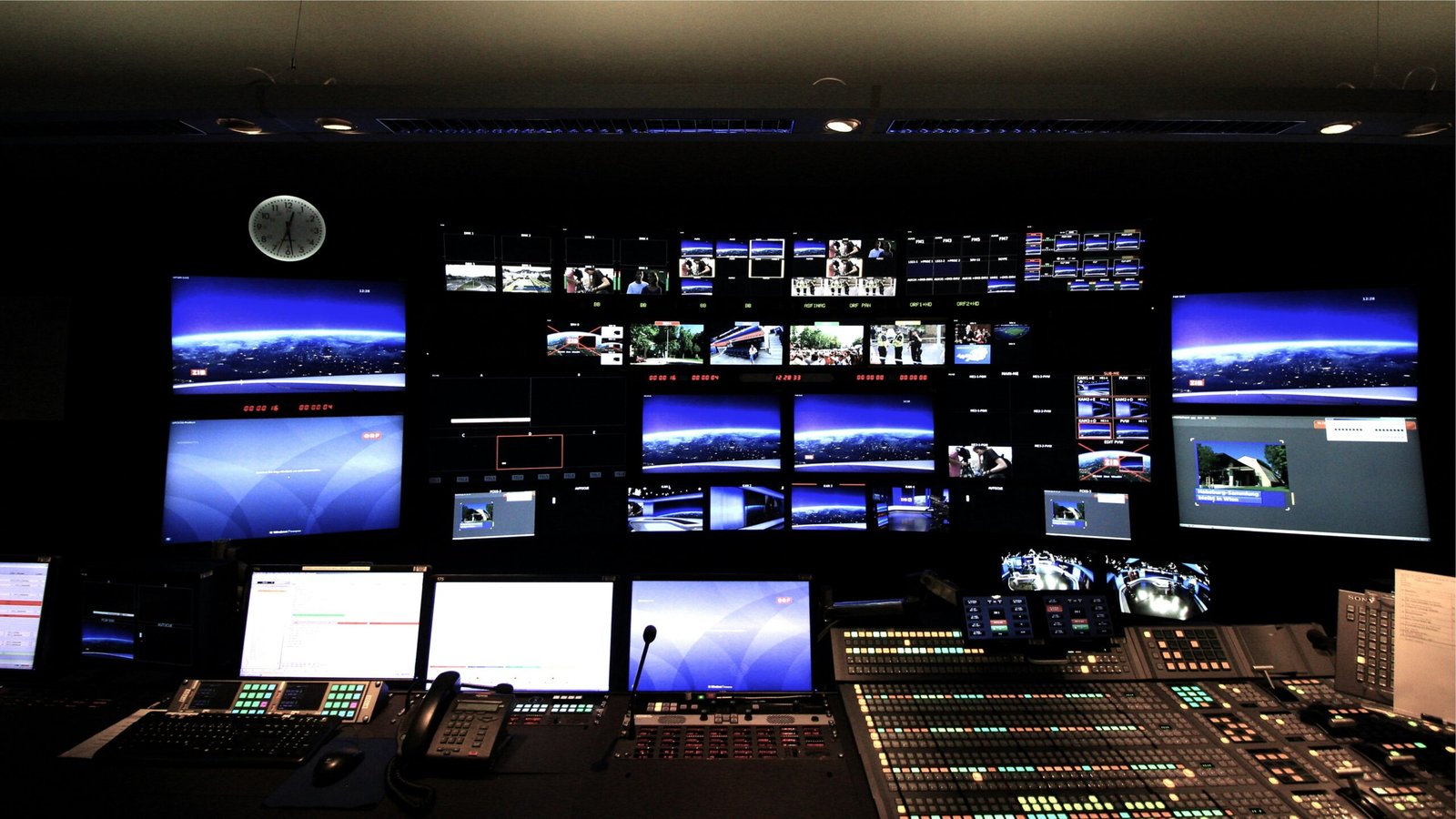
Networking technologies are systems and tools that enable data transfer between devices and support global connectivity. These technologies allow computers, servers, mobile devices, and cloud systems to communicate with each other across local and international networks.
Modern communication, business operations, education systems, and digital services depend on networking technologies. They ensure that data moves efficiently, securely, and accurately between systems.
This article explains networking technologies, how they work, and how they support global connectivity.
What Are Networking Technologies
Networking technologies refer to hardware, software, and protocols used to connect devices and transfer data.
They include:
- Routers
- Switches
- Servers
- Cables
- Wireless systems
- Communication protocols
These components work together to build connected systems.
Role of Networking Technologies
Data Transfer
They allow data to move between devices.
Communication
They support communication between users and systems.
System Integration
They connect different platforms and applications.
Types of Networking Technologies
Wired Networking
Uses physical cables for connection.
Wireless Networking
Uses radio signals and Wi-Fi.
Cloud Networking
Uses internet-based servers for data access.
Mobile Networking
Uses cellular systems like 4G and 5G.
Data Transfer Process
Packet System
Data is divided into small packets.
Routing Process
Packets are sent through different paths.
Data Assembly
Packets are combined at destination.
Internet Backbone Technology
Global Network Structure
Connects countries and continents.
High-Speed Cables
Fiber optic cables carry large data.
Data Centers
Store and manage global data.
Role of Routers in Connectivity
Data Direction
Routers send data to correct destinations.
Network Connection
Connects multiple networks together.
Traffic Control
Manages data flow in networks.
Switches in Networking
Device Connection
Connects devices in a local network.
Data Distribution
Sends data to correct device.
Wireless Networking Technologies
Wi-Fi Systems
Provides wireless internet access.
Signal Transmission
Uses radio waves for communication.
Coverage Area
Determines network range.
Mobile Networking Technologies
Cellular Networks
Used for mobile communication.
4G and 5G
Provide fast internet speeds.
Base Stations
Transmit signals to mobile devices.
Cloud Networking Systems
Remote Data Access
Users access data from anywhere.
Virtual Servers
Data is stored on online servers.
Collaboration Tools
Support shared work systems.
Communication Protocols
TCP/IP
Main protocol for data transfer.
HTTP/HTTPS
Used for web communication.
FTP
Used for file sharing.
Data Security in Networking
Encryption
Protects data during transfer.
Firewalls
Block unauthorized access.
Authentication
Verifies user identity.
Load Balancing Technology
Traffic Distribution
Spreads data across servers.
System Performance
Improves speed and stability.
Internet of Things (IoT)
Device Connectivity
Connects smart devices.
Data Sharing
Devices exchange information automatically.
Smart Systems
Used in homes and industries.
Data Centers in Networking
Server Storage
Stores large amounts of data.
Network Management
Controls data flow.
Security Systems
Protect infrastructure.
Importance of Bandwidth
Data Capacity
Determines how much data can transfer.
Network Performance
Higher bandwidth improves speed.
Multi-User Support
Supports multiple devices.
Latency in Networks
Delay Time
Time taken for data transfer.
Low Latency
Faster response systems.
High Latency
Slower communication.
Global Connectivity Systems
International Networks
Connect countries worldwide.
Submarine Cables
Carry data across oceans.
Satellite Systems
Provide global communication.
Network Monitoring Systems
Real-Time Tracking
Monitors network performance.
Error Detection
Identifies system issues.
Alerts
Notifies administrators.
Challenges in Networking Technologies
Security Risks
Cyber threats and attacks.
Network Failure
System downtime issues.
Maintenance
Requires regular updates.
Future of Networking Technologies
Future systems may include:
- AI-based network control
- Faster 6G networks
- Self-healing systems
- Advanced cloud integration
Conclusion
Networking technologies power data transfer and global connectivity across systems. They connect devices, support communication, and manage data flow in modern digital environments.
These technologies are essential for communication, business operations, education, and global services. As technology advances, networking systems will become faster, smarter, and more secure.
FAQ
What are networking technologies?
They are tools and systems used for data transfer and connectivity.
How does data transfer work?
Data is sent in packets through networks.
What is global connectivity?
It is connection between systems worldwide.
What is bandwidth?
It is the data capacity of a network.
Why are networking technologies important?
They support communication and digital systems.