



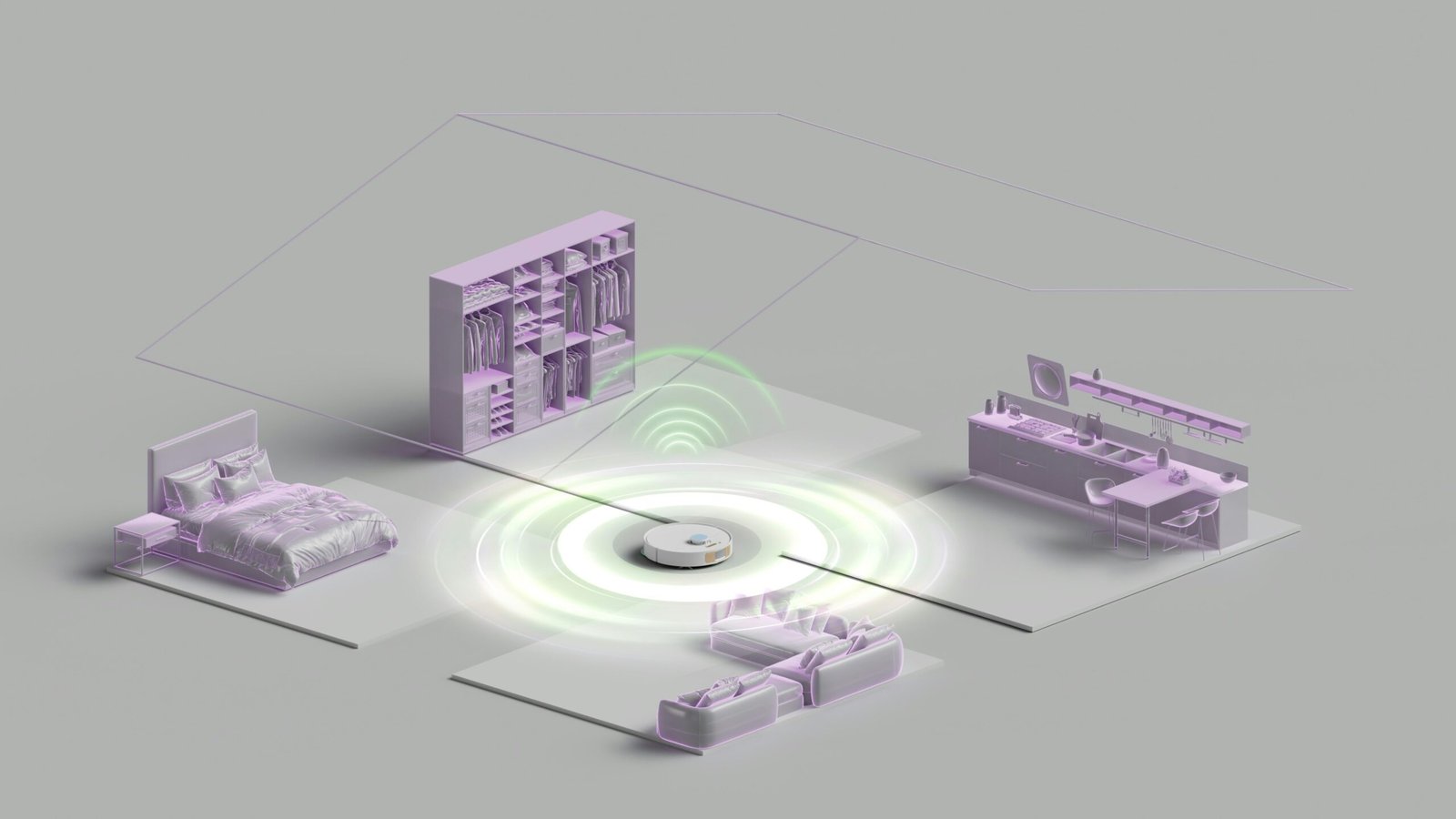
Networking is the system that connects computers, devices, and servers to share data and resources. It allows communication between users and systems through the internet or local networks. Networking is used in homes, businesses, schools, and organizations.
A secure and reliable internet connection depends on how the network is designed and managed. Basic networking concepts help users understand how data moves and how security is maintained.
This article explains networking basics, secure connections, and reliable internet systems.
What is Networking
Networking is the process of connecting devices to share information.
It includes:
- Computers
- Smartphones
- Servers
- Routers
- Switches
These devices work together to transfer data.
Types of Networks
Local Area Network (LAN)
A LAN connects devices in a small area such as a home or office.
Wide Area Network (WAN)
A WAN connects networks over large distances.
Wireless Network
A wireless network uses Wi-Fi for connection.
How Internet Connections Work
Data Transmission
Data is sent in small units called packets.
Routing System
Routers direct data to correct destinations.
Network Communication
Devices communicate through protocols.
Basic Networking Components
Router
A router connects devices to the internet.
Switch
A switch connects multiple devices in a local network.
Modem
A modem connects a network to internet service.
Access Points
They provide wireless connectivity.
Importance of Secure Networking
Secure networking protects data from unauthorized access.
Data Protection
Prevents data theft and misuse.
Network Safety
Protects connected devices.
Privacy Control
Maintains user privacy during communication.
Network Security Methods
Firewalls
Firewalls monitor and control traffic.
Encryption
Data is converted into secure format.
Authentication
Users verify identity before access.
Reliable Internet Connections
Stable Network
A stable network avoids interruptions.
High Speed
Fast connections improve performance.
Low Latency
Reduces delay in communication.
Wireless Networking Basics
Wi-Fi Connection
Used for wireless internet access.
Signal Strength
Affects connection quality.
Network Range
Determines coverage area.
Wired Networking Basics
Ethernet Connection
Uses cables for stable connection.
Speed Advantage
Provides faster data transfer.
Reliability
Less interference compared to wireless.
IP Address and DNS
IP Address
Identifies devices on a network.
DNS System
Converts domain names into IP addresses.
Data Transfer in Networking
Packet Switching
Data is divided into packets.
Transmission Process
Packets travel through different routes.
Data Reassembly
Data is combined at destination.
Network Protocols
TCP/IP
Standard communication protocol.
HTTP/HTTPS
Used for web browsing.
FTP
Used for file transfer.
Common Network Issues
Slow Internet
Caused by network congestion.
Connection Loss
Due to hardware or signal issues.
Security Threats
Unauthorized access attempts.
Network Troubleshooting Basics
Restart Devices
Fixes temporary issues.
Check Connections
Ensures cables and signals are working.
Update Software
Improves network performance.
Role of Internet Service Providers
Internet Access
Provide connection to users.
Speed Plans
Offer different internet speeds.
Network Maintenance
Maintain service stability.
Mobile Networking
Cellular Networks
Used for mobile internet.
4G and 5G
Provide high-speed connectivity.
Mobile Hotspots
Share internet connection.
Cloud Networking
Remote Access
Users access data online.
Data Storage
Information is stored on servers.
Collaboration
Teams work together online.
Importance of Bandwidth
Data Capacity
Bandwidth controls data flow.
Multiple Users
Supports several devices.
Performance Quality
Affects speed and stability.
Future of Networking
Future improvements may include:
- Faster internet systems
- Advanced wireless networks
- AI-based network management
- Improved cybersecurity
Conclusion
Understanding networking basics helps in maintaining secure and reliable internet connections. Networking connects devices and enables data sharing across systems.
Secure and stable networks improve communication, work efficiency, and online activities. Proper knowledge of networking helps users avoid issues and maintain safe internet use.
FAQ
What is networking?
It is the connection of devices to share data.
What is LAN?
A local network within a small area.
Why is network security important?
It protects data from unauthorized access.
What is an IP address?
It identifies devices on a network.
What affects internet speed?
Bandwidth, signal strength, and network load.